How to Plan Your Trip to the Hatta Mountains
Choosing the Right Time and Season
The Hatta Mountains, part of the Hajar range, sit about an hour and a half from Dubai. Their landscape of rugged peaks, wadis, and rock pools is striking all year, but the best time to visit is between October and April. During these months, daytime temperatures stay comfortable for hiking, kayaking, and exploring without the intense summer heat. Mornings are cool and often clear, giving you the best light for photography and a chance to see wildlife like mountain goats and desert foxes. Avoid the summer months if you plan any outdoor activity; even early morning walks can be exhausting when humidity is high. If you do visit in summer, stick to shaded areas and plan indoor stops like the Hatta Heritage Village, though that is not a full-day activity.
Getting There and Transport Options
You have a few ways to reach the Hatta Mountains. Driving yourself gives the most flexibility. The route from Dubai follows the E44 highway, a scenic road that winds through the desert and into the hills. The drive takes about 90 minutes from central Dubai, depending on traffic. A standard sedan works fine; you do not need a 4x4 for the main roads. Parking at popular spots like the Hatta Dam is free and easy to find on weekdays but can fill up on weekends and public holidays. Alternatively, you can book a guided tour. Many operators include transport, a guide, and entry fees in one package. The Hatta Mountain Tour Dubai official site lists several options that cover the key sights without you needing to navigate or plan logistics. If you are visiting from Dubai and do not want to drive, this can be a convenient choice.
Understanding the Terrain and What to Wear
The Hatta Mountains are not steep alpine peaks; they are weathered, rocky hills with dry riverbeds and some gentle slopes. The ground is often loose gravel or sand over hard stone. Good footwear matters. Wear sturdy closed-toe shoes with a decent tread. Sandals or flimsy trainers will leave you slipping on dry gravel or stepping on sharp rocks. A hat and sunglasses are essential, as the sun reflects off the pale rock. Sunscreen is a must even in winter. In the cooler months, a light jacket or fleece is useful for early mornings and late afternoons. Do not forget water. There are few places to refill once you leave the main town of Hatta, so carry at least 1.5 litres per person for a half-day outing.
Selecting the Right Activities
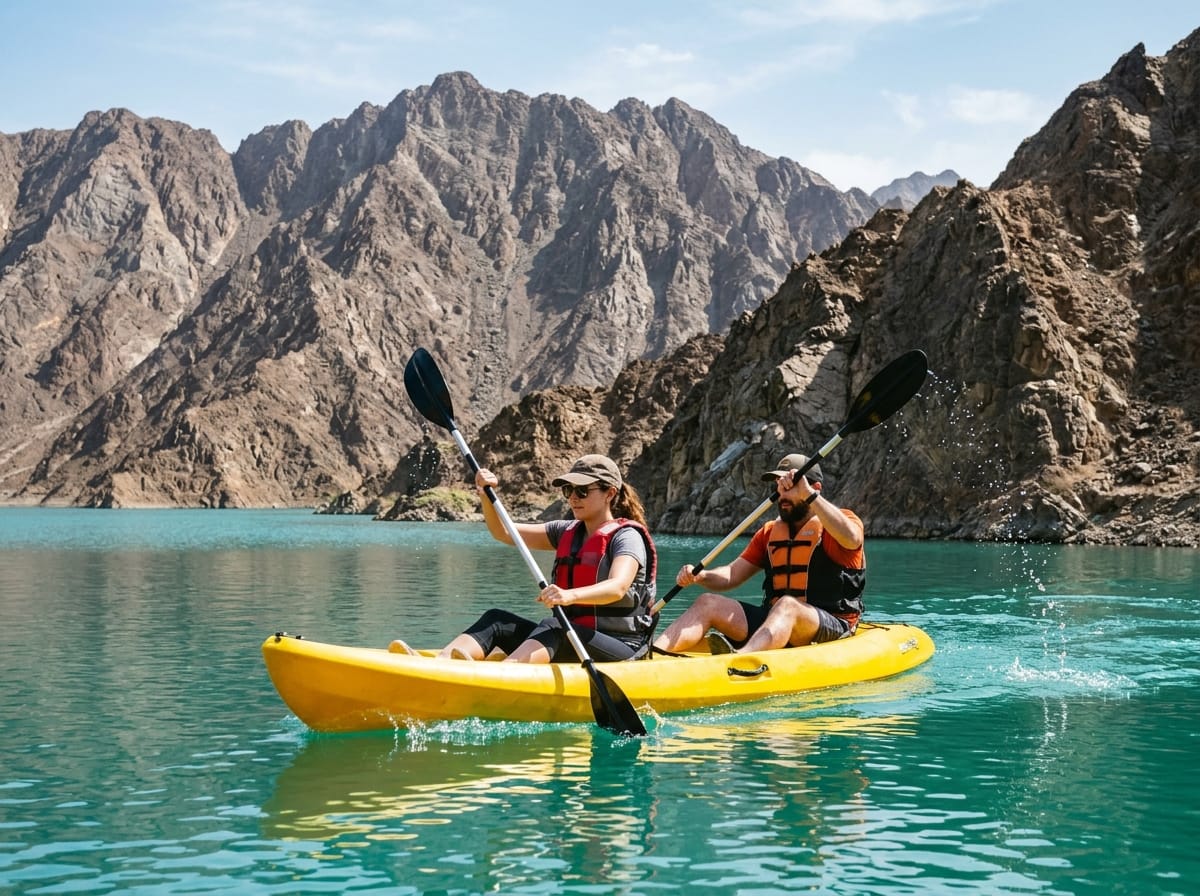
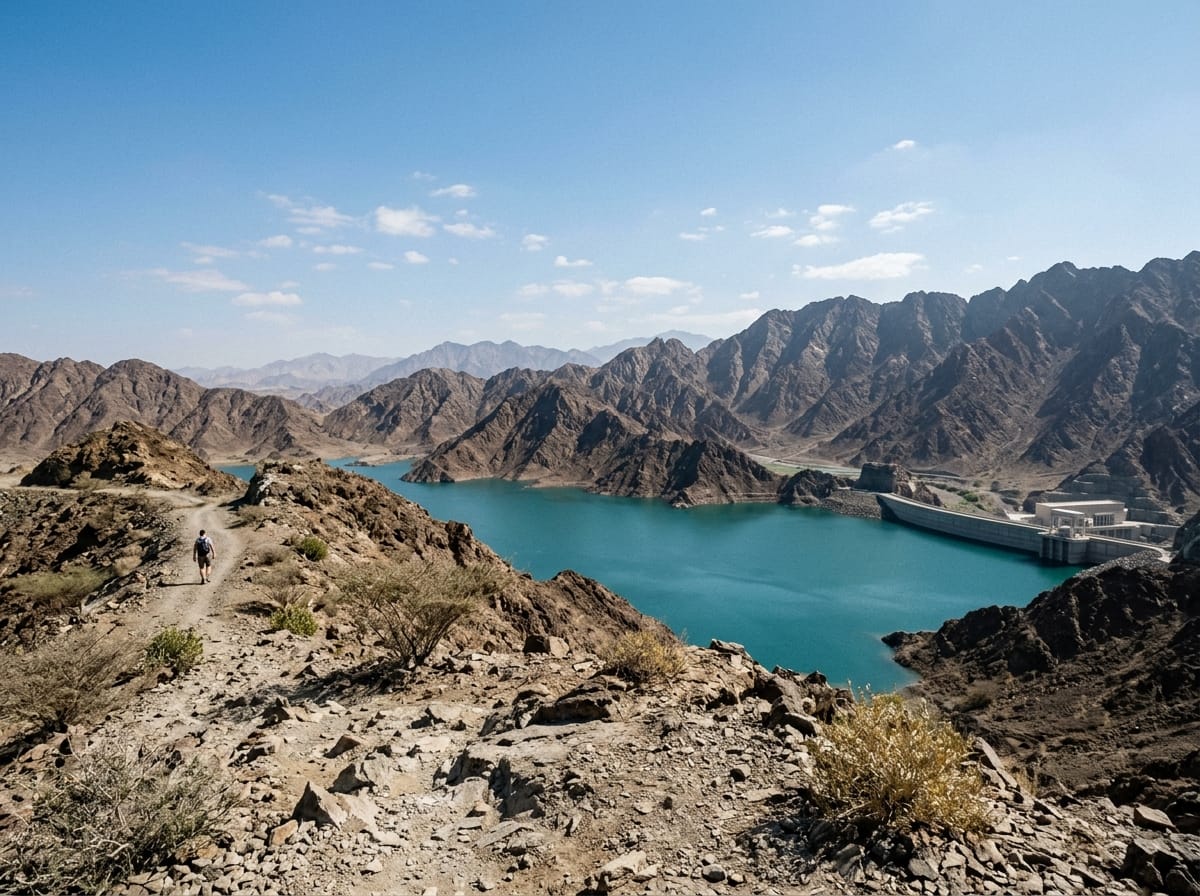
The Hatta Mountains offer a range of activities, and picking the right one depends on your group and fitness level. The Hatta Dam is the centrepiece for water-based fun. Kayaking there is popular, and you can rent a kayak on site. The water is calm and the backdrop of the mountains makes for a peaceful paddle. Hiking trails vary from short, easy walks to longer, more demanding routes. The Hatta Wadi Hub has a marked trail that takes about 45 minutes one way, with gentle elevation. For a bigger challenge, the trail to the summit of Jebel Hatta takes around two hours each way and requires decent fitness and sure footing. Mountain biking is another option, with dedicated tracks that range from beginner to advanced. If you are visiting with children or elderly family members, stick to the dam area and the heritage village, where paths are flat and shaded. The key is to match the activity to the group's ability, not just the appeal of the scenery. Overestimating fitness can turn a lovely day into an exhausting one.
Planning Your Route and Stops
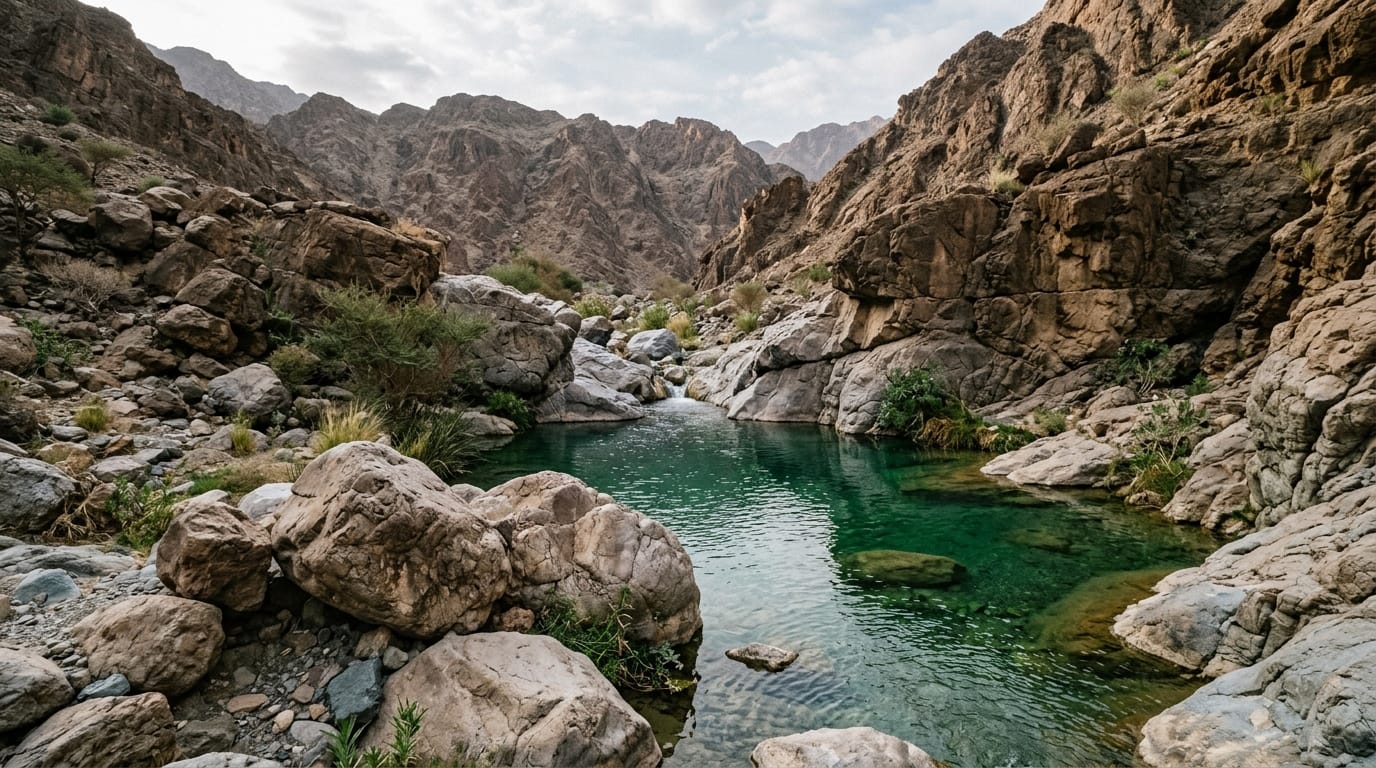
Most visitors spend a full day in the Hatta Mountains. A common itinerary starts at the Hatta Dam for a morning kayak session. The water is calmest early, and you avoid the midday heat. Afterwards, drive a few minutes to the Hatta Heritage Village, a restored mountain settlement that shows traditional life. Allow about an hour there. Then head to the Hatta Wadi Hub for a walk or bike ride. If you are driving, you can also visit the Hatta Rock Pools, a series of natural pools in a wadi a short walk from the road. The pools are best in winter when water levels are higher. The Hatta Mountain Tour Dubai official site has sample itineraries that combine these stops efficiently. Keep an eye on your time; the drive back to Dubai takes longer in the afternoon due to traffic, so plan to leave the mountains by 4 pm.
Packing Essentials and Practical Tips
Beyond the obvious sun protection and water, pack a small first-aid kit for blisters and minor cuts. A power bank for your phone is useful because cell reception can be patchy in the deeper wadis. Cash is helpful; some small shops and food stalls do not accept cards. There are a few cafés and a restaurant at the Hatta Wadi Hub, but options are limited. If you have dietary requirements, bring your own food. A picnic by the dam is a pleasant option, but remember to take all rubbish with you. The area is a protected environment, and littering is not only unsightly but also harmful to wildlife. A light daypack that leaves your hands free is ideal. For photographers, a polarising filter cuts glare from the water and rock, making colours pop.
Considering a Guided Tour vs. Going Solo
This is one of the bigger decisions in planning a trip to the Hatta Mountains. Going solo gives you freedom. You can set your own pace, linger at a viewpoint, or change plans on a whim. The downside is that you must handle all the navigation, parking, and activity bookings yourself. Some of the less-visited trails are not well signposted, so you risk getting lost or missing the best spots. A guided tour removes that stress. The Hatta Mountain Tour Dubai official site offers packages that include a guide who knows the terrain, the history, and the best times to visit each location. You also get transport, which is helpful if you are not renting a car. The trade-off is a fixed schedule and less spontaneity. For a first-time visitor, a guided tour is often the safer and more informative choice. For repeat visitors or experienced hikers, going solo is usually fine.
Watching for Weather and Safety
Weather in the Hatta Mountains can change quickly. A clear morning can turn into gusty winds by midday. Check the forecast before you leave. Flash floods are a real danger in the wadis during rain, even if the rain is miles away. Never park or walk in a dry riverbed if rain is forecast. The same goes for hiking into a wadi; if the sky looks dark upstream, turn back. Heatstroke is another risk, especially if you are not used to the climate. Take breaks in the shade, and drink water even if you do not feel thirsty. If you are hiking alone, tell someone your route and expected return time. Mobile coverage is patchy in some areas, so a fully charged phone and a downloaded offline map are wise precautions.
Budgeting Your Time and Money
Entry to the Hatta Mountains themselves is free. You pay for activities like kayaking, bike rental, and guided tours. Kayak rental at the dam costs around 60 AED per hour for a single kayak. Guided tours vary, but expect to pay between 150 and 350 AED per person for a half-day to full-day package, depending on inclusions. Food is reasonably priced at the cafés. If you are on a tight budget, you can still have a great day by walking the free trails, visiting the heritage village, and having a picnic. The main expense is transport. Fuel from Dubai costs about 40 to 60 AED round trip, plus any tolls. If you drive, factor in parking fees at the dam (usually 10 AED). Planning ahead and booking online can sometimes save a small amount, but prices are generally fixed.
Making the Most of Your Visit
A trip to the Hatta Mountains is about slowing down and taking in the landscape. Rushing from one spot to the next defeats the purpose. Pick two or three activities that truly interest you, and give each enough time. The morning light on the mountains is beautiful, so an early start rewards you with fewer crowds and better photos. The late afternoon light is also excellent. If you are with a group, agree on a loose plan beforehand so nobody feels rushed or bored. And remember, the Hatta Mountains are a natural area; the experience is about the rock, the sky, and the quiet. Approach it with that mindset, and you will leave refreshed.